High Fashion Font for Editorial Design and Premium Typography
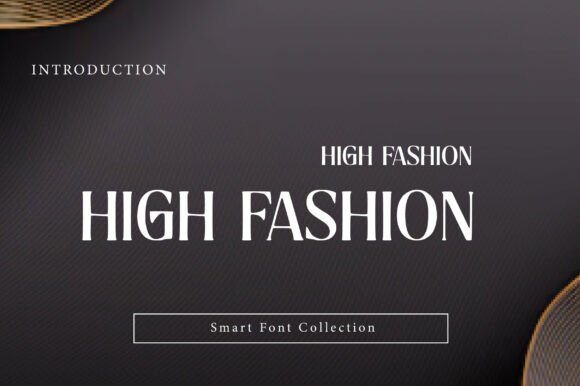
There’s a moment in every editorial project when the right typeface can transform the whole piece. I was recently working on a digital magazine layout for a high-end fashion issue when I realized my current header font wasn’t doing justice to the elegance of the content. That’s when I reached for High Fashion, a display serif font that effortlessly marries boldness with sophistication. Designed for the world of luxury, couture, and high-end editorial design, it became the perfect anchor for the entire publication.
High Fashion for Magazine Covers and Editorials
Magazine covers are where first impressions count, and High Fashion delivers exactly that kind of impact. As a display font, it commands attention without overwhelming the reader. Its bold serifs and luxurious rhythm create a visual hierarchy that immediately conveys prestige. Whether you’re designing a seasonal editorial feature or a special edition on haute couture, this font sets the tone with its refined curves and confident weight.
I used High Fashion on a cover title for an upcoming issue of a lifestyle magazine focused on modern elegance. The result was striking—readers could feel the mood shift from casual to curated just by looking at the typography. It doesn’t shout; it glides across the page like a well-tailored gown. That kind of presence is invaluable in print and digital formats alike.
High Fashion in Digital Publications and Blog Headers
In the realm of digital publishing, especially for bloggers and online magazines, finding a font that feels both premium and legible is no easy task. But High Fashion has proven itself adaptable enough to work well in blog headers and article titles. Its generous x-height and open apertures help maintain readability on screens, even at smaller sizes than one might expect for a display font.
I tested it on a redesign for a popular fashion blog and found that it paired beautifully with a minimalist sans serif body font. This combination gave the blog a fresh yet sophisticated look. The contrast between High Fashion and the clean supporting text helped guide the reader’s eye through each post, reinforcing brand identity while keeping the experience visually engaging.
Using High Fashion for Newsletter Graphics and Branding
Newsletters often require a balance between personality and professionalism. I’ve been experimenting with using High Fashion as the headline font for a monthly creator newsletter and have been impressed by how it elevates the overall design. It works particularly well in hero sections and pull quotes, where its expressive nature draws the reader in.
What stood out during the testing phase was how versatile the font felt within different layouts. For instance, using it in a centered headline with subtle drop shadows made the newsletter feel exclusive and polished. When combined with muted background colors and ample white space, the font’s glamour didn’t clash but instead enhanced the message’s importance.
High Fashion for Wedding Guides and Printables
Wedding guides and other elegant printables often rely on typography to set the scene. I recently worked on a printable wedding planning toolkit and chose High Fashion for the chapter openers and decorative accents. Its timeless appeal and editorial flair made it ideal for creating a sense of ceremony and celebration.
The font’s alternates and ligatures added a level of customization that really brought the guide to life. You don’t need to be a typographic expert to take advantage of these features—they’re intuitive and enhance the visual storytelling without getting in the way. And since it’s a commercial font with multilingual support, it’s suitable for international publications or niche markets.
Readability Considerations for Long-Form Content
While High Fashion shines in headlines and decorative elements, it’s important to note that it’s not suited for long-form reading. Display fonts like this one are designed to make an impression rather than sustain attention over multiple paragraphs. I’ve tried using it for subheadings in a recipe ebook and found that it works well in short bursts—think section headings, callouts, or stylized footnotes.
For longer passages, I recommend pairing it with a readable serif or sans serif font. In one test layout, I used High Fashion for the main title and a clean, neutral serif for the rest of the text. The result was a harmonious blend of creativity and clarity, which is essential for maintaining reader engagement in digital products like PDFs or course materials.
Font Pairing Tips for Editorial Design
One of the key strengths of High Fashion is how easily it complements other design assets. As a display font, it naturally pairs well with more subdued styles that let it take center stage. I’ve had great results combining it with modern sans serifs for captions and navigation bars in digital magazines, giving the layout a balanced and intentional structure.
- High Fashion + Caslon: A classic editorial combo for a timeless feel.
- High Fashion + Lato: Offers a contemporary contrast ideal for web design.
- High Fashion + Playfair Display: Both exude luxury, making them perfect for dual-tiered headlines.
Each pairing creates a unique editorial mood. In a recent coaching workbook, I used High Fashion for the chapter titles and paired it with a simple sans serif for the worksheets themselves. This allowed the reader to transition smoothly between aspirational content and actionable steps, all while maintaining a consistent brand voice.
Commercial Use and Licensing Clarity
Before integrating any new font into your workflow—especially if it’s intended for paid newsletters, client projects, or digital downloads—it’s crucial to check the licensing details. With High Fashion, I appreciated the clear terms around commercial use. Whether you're embedding it in a template or including it in a digital product for resale, knowing the font is ready for professional settings gives peace of mind.
I also made sure to review the included weights and file formats before finalizing the layout. The font comes with a range of styles that allow for nuanced editorial design, from light accents to bolder statement headers. This flexibility means it can adapt to various platforms, from social media graphics to print-ready packaging designs.
When Not to Use High Fashion
Despite its many strengths, High Fashion isn’t the best choice for every part of your design. Its expressive nature makes it less practical for dense paragraphs or small captions. I noticed a drop in readability when trying to use it for body copy in a digital magazine, so it's best reserved for titles, subtitles, pull quotes, and decorative accents.
If you're working on something like a formal report or a data-heavy infographic, you’ll want to lean into more utilitarian typefaces. High Fashion thrives in environments where style enhances substance—not replaces it. Think of it as the star of the show, not the supporting cast.
Final Layout Impressions and Buyer Intent
After several real-world tests, I’m convinced that High Fashion is more than just another display font—it’s a strategic tool for editorial designers who understand the power of typography in shaping perception. It brings a level of editorial luxury to whatever project it touches, whether it’s a digital magazine layout, a printable planner, or a brand identity suite for a high-end fashion line.
If you're looking to elevate your next publication and give it a touch of couture-level charm, High Fashion is worth considering. It’s a premium font that supports visual hierarchy, reader attention, and a strong editorial mood. Just remember to pair it wisely and reserve it for the moments where it can truly shine.
Ready to bring a little more glamour to your content? Explore High Fashion and see how it transforms your next editorial design into a masterpiece of modern typography.