Stylist Font for Architectural Impact in Editorial Design
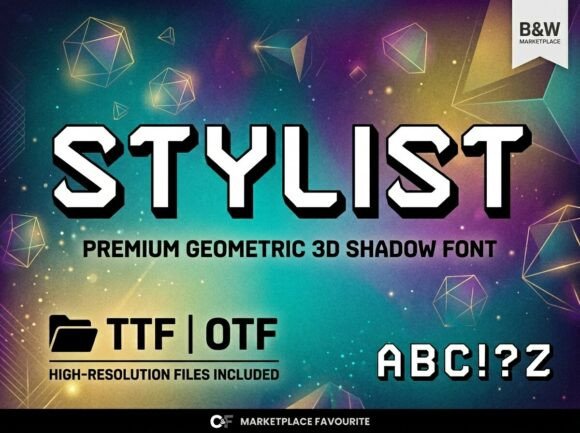
As a content creator or editorial designer, finding the right typeface to command attention and set the tone of your publication is essential. Enter Stylist, a premium geometric 3D shadow display font engineered to give headers an unmistakable architectural punch. This high-impact typeface brings a bold visual authority that elevates everything from blog titles to magazine covers. Its sharp angles and layered shadows make it ideal for those who want to create strong typographic statements without sacrificing style or readability.
Using Stylist for Magazine Covers and Publication Branding
In editorial design, the cover sets the first impression and often defines the entire reader experience. With Stylist, you can craft a striking visual hierarchy that immediately communicates professionalism and modernity. The font’s architectural qualities lend themselves well to fashion, architecture, and design magazines where clean yet powerful typography is key.
The 3D shadow effect adds depth and dimensionality, making it perfect for minimalist layouts that still demand attention. For example, if you're launching a new digital or print magazine focused on urban living, using Stylist for the main title could reinforce the structured, contemporary vibe of your brand. It also works beautifully when paired with more traditional serif fonts for body copy, ensuring legibility while maintaining a cohesive visual identity across your publication.
Stylist for Blog Headers and Newsletter Graphics
Blogs and newsletters rely heavily on clear structure and visual appeal to keep readers engaged. Stylist offers a solution for designers looking to inject energy into their headers and section titles. Whether you’re working on a lifestyle blog or a business newsletter, this display font can help you stand out from the crowd.
Its geometric nature ensures consistency and clarity across platforms — from mobile screens to desktop views. The 3D shadow gives text a sculpted feel that's particularly effective in hero sections or featured posts. When designing email campaigns or social media graphics for your newsletter, consider using Stylist for subject lines or pull quotes to draw the eye and encourage opens.
How Stylist Enhances Visual Hierarchy and Reader Attention
Visual hierarchy is the backbone of good layout design, especially in multi-page publications or long-form articles. Stylist helps establish this by naturally standing apart from surrounding text. Its bold weight and shadow effects make it ideal for headlines and chapter openers, guiding the reader through the content with ease.
When used strategically, Stylist can serve as an anchor point for each section, helping break up dense blocks of text and improve skimmability. It’s not just about aesthetics; it’s about creating a flow that supports the reader’s journey through your material. This makes it a valuable asset for any designer working with digital or print formats.
Stylist in Ebooks and Digital Publications
Ebook creators and digital product designers know how crucial typography is in shaping the reading experience. Stylist is a versatile display font that adds a touch of sophistication to titles and chapter headings. Its geometric precision ensures that even at smaller sizes, it retains its character and impact.
Consider using Stylist for the title pages of your guidebooks or workbooks. The 3D shadow gives a tactile feel that enhances the perceived value of the content. If your ebook is centered around modern architecture or industrial design, the font’s clean lines and architectural flair will resonate with your audience and strengthen your publication’s visual identity.
Readability Considerations for Screen and Print
While Stylist is undeniably bold and dramatic, it doesn’t compromise on readability. Designed specifically for display use, it performs best at larger sizes, making it suitable for headers, callouts, and other accent text. On screen, the 3D effect remains crisp on high-resolution displays, enhancing legibility in digital formats like PDFs or online articles.
For printable materials such as worksheets, planners, or lead magnets, ensure that your chosen size and color contrast support clarity. A black-on-white version of Stylist works exceptionally well for printed guides, offering a professional finish that complements both technical and creative content alike.
Font Pairing: Stylist and Complementary Typefaces
Pairing a display font like Stylist with a more subdued typeface is a common practice in editorial design. To maintain balance and enhance readability, try pairing it with a clean sans serif font for captions or navigation menus. Alternatively, a readable serif font can provide a classic contrast for body text in blogs or magazines.
For instance, in a recipe ebook, you might use Stylist for the title of each section (like “Breakfast Creations” or “Dessert Delights”), then switch to a soft, rounded sans serif for the ingredient lists and cooking instructions. This approach keeps your layout dynamic but never overwhelming, supporting both visual interest and usability.
Commercial Use and Licensing for Stylist Fonts
If you're planning to use Stylist in commercial projects such as paid newsletters, course materials, or client-facing publications, it’s important to check the licensing terms. Most premium fonts allow for commercial use, but specifics may vary depending on your intended application — whether it's for printables, digital downloads, or branding assets.
Always verify if the license permits embedding the font in templates, ebooks, or web-based designs. Understanding these details ensures that your project remains compliant and that you can confidently leverage Stylist as part of your brand’s typography toolkit.
Stylist for Creative Branding and Content Identity
Branding isn't just about logos — it's about every visual element that represents your voice. Stylist can become a signature component of your content strategy, reinforcing your brand’s personality with its structured, premium appearance. From article thumbnails to social media banners, this font helps maintain a consistent look that aligns with your editorial mission.
For independent content brands or digital magazines, using Stylist consistently across all headers and promotional materials creates a unified visual language. It speaks to a modern, confident aesthetic — one that appeals to audiences seeking quality and innovation in their reading experiences.
Practical Applications Across Niche Markets
- Lifestyle Blogs: Use Stylist for post titles and feature headers to elevate the design without cluttering the layout.
- Wedding Guides: The font’s elegance and boldness are perfect for section titles in wedding planning resources or invitation designs.
- Coaching Workbooks: Apply Stylist to chapter titles or motivational pull quotes to create a sense of structure and inspiration.
- Digital Magazines: Incorporate it into mastheads or issue-specific headers to reinforce a sleek, modern editorial identity.
- Printable Planners: Add visual variety to weekly spreads or goal-setting pages with Stylist as an accent font.
Each of these applications benefits from the unique character of Stylist, turning simple text into a compelling visual statement. Whether you're targeting a niche market or building a broad content platform, this display font provides the tools to craft engaging, professional layouts.
Why Stylist Stands Out Among Display Fonts
Display fonts come in many styles — script, handwritten, serif, and sans serif — but few combine geometric precision with 3D shadow effects like Stylist. Its distinct personality allows it to fit seamlessly into modern design trends while retaining enough versatility to adapt to various editorial contexts.
Unlike decorative fonts that can be difficult to read, Stylist maintains a level of clarity that suits both digital and print environments. This balance between form and function is what makes it a standout choice for publishers and bloggers aiming to enhance their visual storytelling without distracting the reader.
Ensuring Consistency with Stylist in Multilingual Projects
If you're working on multilingual content — such as international editions of a magazine or globalized digital products — it’s worth checking if Stylist includes the necessary glyphs and alternates for different languages. While the primary focus of this font is English and Western scripts, having access to extended character sets ensures that your publication remains accessible and visually consistent worldwide.
This is especially important for digital magazines, educational resources, or brand collaterals that reach diverse audiences. A cohesive typographic system built around Stylist can help unify your message across multiple languages and regions.
Stylist for Social Media and Lead Magnets
Social media is a powerful tool for content promotion, and typography plays a big role in catching attention within seconds. Stylist is an excellent choice for crafting eye-catching quote graphics, Instagram stories, or Pinterest pins. Its bold presence ensures that your message stands out among the noise of scrolling feeds.
Similarly, lead magnets such as free printable guides or mini-workbooks benefit from a strong visual hook. By using Stylist for the title or key highlights, you can increase perceived value and encourage more downloads. Think of it as a silent salesperson — drawing users in before they even read the content.
Final Tips for Integrating Stylist Into Your Workflow
To get the most out of Stylist, start by identifying the core elements of your publication where visual emphasis is needed. These might include headers, subheaders, pull quotes, or cover text. Once established, integrate the font sparingly to avoid overuse and maintain a polished look.
Experiment with layering the 3D shadow against subtle gradients or textures to add depth without overwhelming the layout. Also, consider using lighter weights or alternate characters to diversify the usage across different page elements. Always test the font at various sizes and on different devices to ensure optimal performance in your design assets.
With its premium feel and architectural edge, Stylist is more than just a display font — it’s a strategic design element that enhances the visual tone and reader engagement of your publications.