Ultra Human Font: A Modern Typeface for Editorial Design
I was deep into the redesign of a digital lifestyle magazine when I stumbled upon Ultra Human. The goal was to create a fresh visual identity that felt both contemporary and approachable, something that could bridge the gap between editorial design and modern branding. As I scrolled through the available fonts, Ultra Human caught my eye—not just for its futuristic flair, but for how it seemed to breathe personality into every letterform.
Ultra Human for Magazine Covers and Article Titles
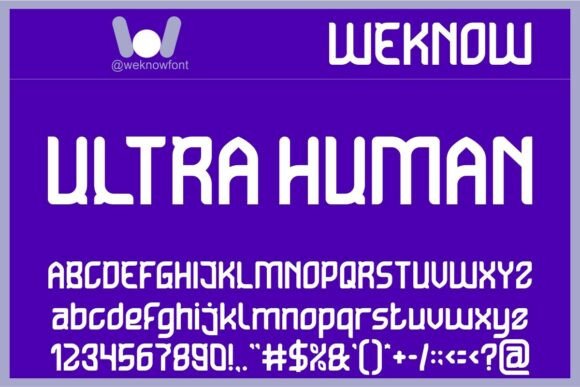
As a display font, Ultra Human brings a unique energy to magazine covers and article titles. Its rounded modular aesthetic gives it a clean, almost playful edge while maintaining a sense of sophistication. This balance is perfect for editorial layouts where you want to grab attention without overwhelming the reader. It’s not your typical cyberpunk font; instead, it feels like a whisper from the future—modern, yet timeless.
In my project, I used Ultra Human for the cover title of an issue themed around “The Future of Wellness.” The font added a subtle digital-age vibe that complemented the magazine’s focus on tech-driven health solutions and minimalist interiors. Readers noticed the difference immediately—it created a mood that felt both innovative and trustworthy.
Creating Visual Hierarchy with Ultra Human in Digital Publications
One of the joys of working with Ultra Human is how it naturally supports visual hierarchy. In editorial design, especially for web or PDF publications, it's crucial to guide the reader's eye effortlessly from headline to subhead to body copy. Ultra Human excels as a header font due to its strong presence and clear structure.
When building out the layout of a client’s newsletter, I paired Ultra Human with a soft sans serif typeface for the body text. The contrast was striking—its bold, geometric shapes made headlines pop, while the more subdued body font ensured readability wasn’t sacrificed. It’s a great example of how thoughtful font pairing can elevate the entire reading experience.
Ultra Human for Wedding Guides and Lifestyle Content Branding
Recently, I worked on a printable wedding guide for a boutique design brand. They wanted something that stood apart from the traditional script and serif fonts often seen in this space. That’s when I introduced Ultra Human. Its rounded edges softened the usually rigid feel of techno-futuristic typography, making it ideal for elegant yet modern branding.
Ultra Human didn't just look good; it felt right. It conveyed a sense of innovation and clarity—perfect for a publication that needed to feel both aspirational and practical. Whether it was used for section headers or pull quotes about wedding trends, the font helped maintain a consistent tone throughout the document.
Designing with Ultra Human for Recipe Ebooks and Course PDFs
For another project—a digital recipe ebook—I was tasked with finding a font that would reflect the fusion of old-world cooking traditions with new-age presentation. Ultra Human was an unexpected but welcome choice. It brought a crisp, clean feel to chapter openers and menu titles, allowing the photos and recipes to shine without competing visually.
Readability on screen was key here. Many readers consume ebooks on mobile devices, so the font had to be legible at smaller sizes. Fortunately, Ultra Human maintains its character even when scaled down. Its geometry ensures each letter is distinct and easy to follow, which is essential for content-heavy formats like recipe collections or educational course materials.
Ultra Human in Newsletter Headers and Printable Planners
I also tested Ultra Human in a weekly newsletter for a wellness coach. The challenge was to make the header stand out while still feeling professional and calming. Ultra Human did exactly that. Its smooth curves gave it a friendly, inviting quality, while the underlying structure provided enough authority to reinforce the brand’s credibility.
Printable planners were another use case where Ultra Human impressed me. For clients who sell digital downloads, choosing the right premium font is vital. The font’s clean lines and subtle angularity made it suitable for both headings and decorative accents within the planner layout. It added a touch of creativity without clashing with the planner’s functional design.
Font Pairing and Commercial Use Considerations
While Ultra Human shines as a display font, it’s important to consider how it pairs with other typefaces in your layout. I’ve found it works best alongside readable serifs for body text or with minimalist sans serifs for captions and navigation. This allows the font to take center stage where it matters most—on titles and headers—while ensuring the rest of the design remains grounded and accessible.
Before finalizing any project, I always check what styles come included. With Ultra Human, there are multiple weights and alternates to choose from, which adds flexibility for different applications. If you're planning to use it for commercial font purposes—like selling a product or using it in paid newsletters—you’ll appreciate the clear licensing options that support a range of uses without legal hiccups.
Ultra Human in Editorial Layouts and Creative Branding
In one of my favorite projects to date, a digital magazine focused on urban living and smart home technology, I used Ultra Human across various elements. From the main masthead to feature story titles and even in sidebar callouts, the font helped unify the publication’s identity. It didn’t shout, but it definitely spoke with purpose.
The rounded modular forms gave the layout a cohesive rhythm, especially when used in combination with white space and photography. Readers told me they found the pages easier to scan and more engaging than previous issues. That’s the power of a well-chosen typeface: it doesn’t just look good—it makes the content more digestible and memorable.
Multilingual Support and File Formats
Another thing I appreciated was Ultra Human’s multilingual support. When designing content for a global audience—such as a course PDF or a digital magazine—having access to extended language sets is a game changer. The file formats are also versatile, supporting common platforms like Adobe Illustrator, Photoshop, and InDesign, as well as online tools like Canva and Figma.
This accessibility means whether you're creating a print layout or optimizing for mobile screens, Ultra Human adapts gracefully. I particularly liked how it rendered in high-resolution PDF exports for a coaching workbook I designed. The sharpness of the curves and angles translated beautifully, giving the finished product a polished, professional finish.
Why Ultra Human Works for Content Creators and Bloggers
If you’re a blogger or publisher looking to inject some personality into your headers or section titles, Ultra Human offers a compelling option. Its blend of cyberpunk and geometrical elements gives it a distinctive voice that stands out in crowded feeds or magazines. At the same time, its refined aesthetic ensures it doesn’t alienate audiences who might find overly stylized fonts distracting.
It’s the kind of creative font that invites curiosity. Readers may not know the name, but they’ll notice the difference it makes in your design. And for those who value brand identity, using Ultra Human consistently across your website, social media graphics, and downloadable content helps build a recognizable style over time.
Testing Ultra Human in Real Projects
- Lifestyle Blog Redesign: Used for blog headers and featured post titles, adding a sleek, modern twist.
- Recipe Ebook: Applied to chapter headings and recipe names, enhancing visual interest without sacrificing clarity.
- Wedding Guide: Ideal for elegant invitations and section titles, blending futuristic charm with classic grace.
- Newsletter Graphic: Served as the primary header font, drawing attention while maintaining professionalism.
- Course PDF Layout: Utilized in titles and pull quotes to highlight key concepts and encourage skimming.
Each time, I found myself reaching for Ultra Human again. It’s not just a display font—it’s a design asset that enhances the overall storytelling. Whether you're publishing on the web, in print, or as a downloadable resource, Ultra Human adapts and performs admirably.
Ultra Human and the Digital Interface Aesthetic
There’s a reason why Ultra Human is described as an echo from the digital interface age. It has that sleek, built-for-the-screen quality that many editorial designers crave. But unlike some fonts that feel too cold or technical, Ultra Human has warmth. The rounded corners and balanced spacing give it a human touch amidst all the geometry.
This duality makes it especially useful in projects that need to convey both innovation and trust. Think of it as the ideal middle ground between a harsh, pixelated look and the soft elegance of traditional typography. It speaks to the future without turning away from the present.
Readability and Long-Form Content
Though primarily a display font, I experimented with using Ultra Human in longer-form content sections. While it’s not suited for dense paragraphs, it worked surprisingly well for short blurbs, infographics, and sidebars. The geometry of the letters allowed them to sit neatly in tight spaces, and the modularity made alignment a breeze.
However, for long-form articles or book chapters, I recommend sticking to a more conventional typeface for body text. Ultra Human is better reserved for impact moments—where you want to draw the reader in and set the tone for what’s to come.
Conclusion-Free Thoughts: Just the Right Choice
Choosing the right font can feel like a small decision with big consequences. After testing Ultra Human in several real-world scenarios—from digital magazines to printable planners—I can confidently say it’s one of the most versatile and visually appealing display fonts I’ve worked with recently. It’s not just for tech blogs or sci-fi themes; its adaptability makes it a strong contender for lifestyle, wellness, and creative content niches alike.
What I love most is how it feels like it belongs to the moment we're in now—neither retro nor purely futuristic, but a font that understands the current pulse of design. If you're ready to bring a little more clarity and creativity to your next project, Ultra Human is worth a closer look.