Using the Melissa Display Font in Real Design Projects
I recently sat down with a new branding project for a local artisanal coffee shop, and I knew from the start that typography would play a big role in setting the tone. The client wanted something warm, approachable, yet bold enough to stand out in a crowded market. That’s when I discovered Melissa, a display font that immediately caught my eye. As a graphic designer who leans into real-world applications, I was excited to test how this playful yet polished typeface could shape the brand’s visual identity.
Testing Melissa on a Café Logo Mockup
The first thing I did was open up a blank design board and start sketching logo ideas. For the café name, I needed something memorable and inviting. When I typed “The Daily Grind” in Melissa, it transformed instantly — the thick rounded strokes and smooth curves gave it a friendly, handcrafted feel. It wasn’t too loud, but it had just enough character to make the logo pop without being overwhelming. I layered it over a warm gradient background and saw how well it balanced the retro-inspired aesthetic the client loved.
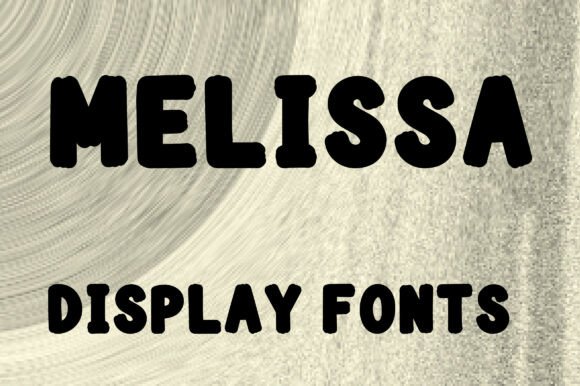
I noticed that while Melissa is bold and playful, its soft edges prevented it from feeling aggressive or unapproachable. This made it perfect for a community-focused business like a small café. I also tested it on a mockup of a chalkboard-style sign hanging above the counter and found that it retained its charm even at large sizes. The quirky letterforms added personality without sacrificing legibility — a win for both aesthetics and function.
Melissa in Brand Packaging and Merchandise
Next, I moved to packaging design. Coffee bags, mugs, and stickers are all key touchpoints for a café brand, and they need a consistent look. I used Melissa for the main product label and paired it with a clean sans serif for supporting text. The contrast worked beautifully: the handwritten warmth of Melissa brought attention to the product name, while the secondary font handled the details clearly.
On a sticker mockup for loyalty cards, I went with a bolder weight of Melissa. The thickness of the strokes helped it stand out against high-contrast colors, making it ideal for short-form text where impact matters most. I also tried it on a gift box label with a watercolor texture and found that its soft style blended seamlessly with organic materials. This flexibility showed me how valuable Melissa could be in a full brand system.
How Melissa Handles Readability in Print and Digital Formats
One concern I always have with display fonts is whether they’ll hold up across different formats. While Melissa isn’t built for long paragraphs, it shines in headlines, titles, and call-to-action phrases. I tested it on a printed menu and an Instagram post, and it performed surprisingly well in both contexts. The rounded shapes gave it a friendly vibe online, and in print, the subtle quirks in each letterform made it feel more authentic and less machine-made.
What stood out was how it maintained a strong visual hierarchy. In digital headers, especially for website banners or social media posts, Melissa commanded attention without being jarring. It felt modern enough to appeal to younger audiences but still had that nostalgic charm that resonates with people looking for a cozy experience — which fit perfectly with the café’s brand voice.
Melissa as a Supporting Typeface in Brand Identity
In any brand identity system, you need more than one font. That’s why I started exploring Melissa as an accent typeface rather than the primary one. I paired it with a classic serif font for body copy and found that the combination created a nice balance between creativity and professionalism. The retro-inspired character of Melissa brought a unique flair to taglines, quotes, and promotional text without clashing with the more traditional elements of the brand.
I also experimented with using it in a limited capacity — only for specific brand assets like posters, flyers, and seasonal promotions. This allowed the overall brand to remain cohesive while giving those materials a bit of extra personality. Clients often love when a brand feels dynamic and adaptable, and Melissa definitely adds that spark.
Practical Tips for Using Melissa in Client Work
- Use it sparingly: Since it’s a display font, limit Melissa to logos, headers, and short-form text to avoid clutter.
- Test color combinations: Try it on black backgrounds, pastels, and gradients to see how it reacts visually.
- Check file formats: Ensure that the Melissa font you choose includes OpenType features and works well across platforms like Adobe Illustrator and Photoshop.
- Look for alternates: Many premium fonts include ligatures or alternate characters — if available, these can add variety and depth to your designs.
- Consider licensing: Always confirm commercial use rights before finalizing the font for a client project.
I found that the included styles in Melissa were sufficient for most needs, though some additional weights could enhance versatility. Still, what I had was more than enough to create a compelling visual identity for the café. I even used it in a mock-up of their homepage hero section — it read cleanly on screen and looked great next to product photography.
Melissa in Editorial and Creative Studio Branding
After wrapping up the café project, I thought about other scenarios where Melissa might work. A creative studio or handmade product brand could really benefit from its soft, handcrafted style. Imagine using it in a brochure title or a workshop announcement — it adds a personal, artistic touch that speaks volumes about the brand’s values.
For editorial design, like a lifestyle magazine or blog layout, Melissa fits well in feature titles and pull quotes. It doesn’t distract from the content but instead enhances the reading experience by signaling a shift in tone or importance. The slightly quirky nature of the letterforms also makes it feel more human, which is great for storytelling-driven brands.
Font Pairing Suggestions with Melissa
When pairing Melissa with other fonts, I recommend sticking to a complementary contrast. Here are a few practical pairings I’ve used:
- Serif fonts: Think Georgia or Lora for a vintage-meets-modern blend.
- Sans serif fonts: Something like Montserrat or Raleway works well for a cleaner, contemporary look.
- Script or handwritten fonts: Use sparingly, but pairing with a delicate script can highlight the contrast between playful and elegant.
The key is to keep the secondary font simple so that Melissa remains the star of the show. Too many decorative elements can muddy the message, especially in branding projects where consistency is crucial.
Melissa for Small Business Branding and Social Media Graphics
Many entrepreneurs come to me needing a font that feels authentic and not overly corporate. Melissa ticks all the boxes for a small business trying to carve out a unique identity. Whether it’s for a boutique, skincare line, or local restaurant, its charm and character help the brand feel more relatable and personable.
I applied it to a series of Instagram posts for a hypothetical handmade soap brand. The rounded strokes gave the text a gentle, natural look that matched the product’s eco-friendly theme. I also used it in email newsletter headers and saw how it helped establish a fun, engaging tone that stood out in crowded inboxes.
Another observation: Melissa looks fantastic in video overlays and animated graphics. Its smooth curves animate easily and maintain clarity, which is essential for digital marketing efforts where motion is part of the storytelling.
Why Melissa Fits Well in Display Typography
As a display font, Melissa is designed to draw attention. Its boldness and playful nature make it suitable for situations where you want to make an impression quickly. Unlike some display fonts that lean too heavily into eccentricity, Melissa strikes a balance — it’s expressive but never garish.
Its soft handcrafted style makes it especially useful for brands that want to convey warmth, authenticity, and creativity. If you’re working on a project that needs a bit of whimsy without losing professionalism, Melissa is a solid choice.
Final Observations and Recommendations
Overall, I’m impressed with how Melissa adapts to different design environments. It’s versatile enough for branding but distinctive enough to leave a lasting impression. From shop signs to product labels, it handles itself with grace and charm.
If you're a designer testing fonts for a new project, give Melissa a try. You might find, like I did, that it brings just the right amount of energy and warmth to your design. And remember — always test it in context. See how it looks on a business card, a poster, or a digital banner. Only then will you truly understand its potential in your toolkit.
So next time you're staring at a blank canvas and wondering which display font to use, consider Melissa. It’s not just another font — it’s a character in your brand story, ready to bring life to every headline, logo, and label it touches.